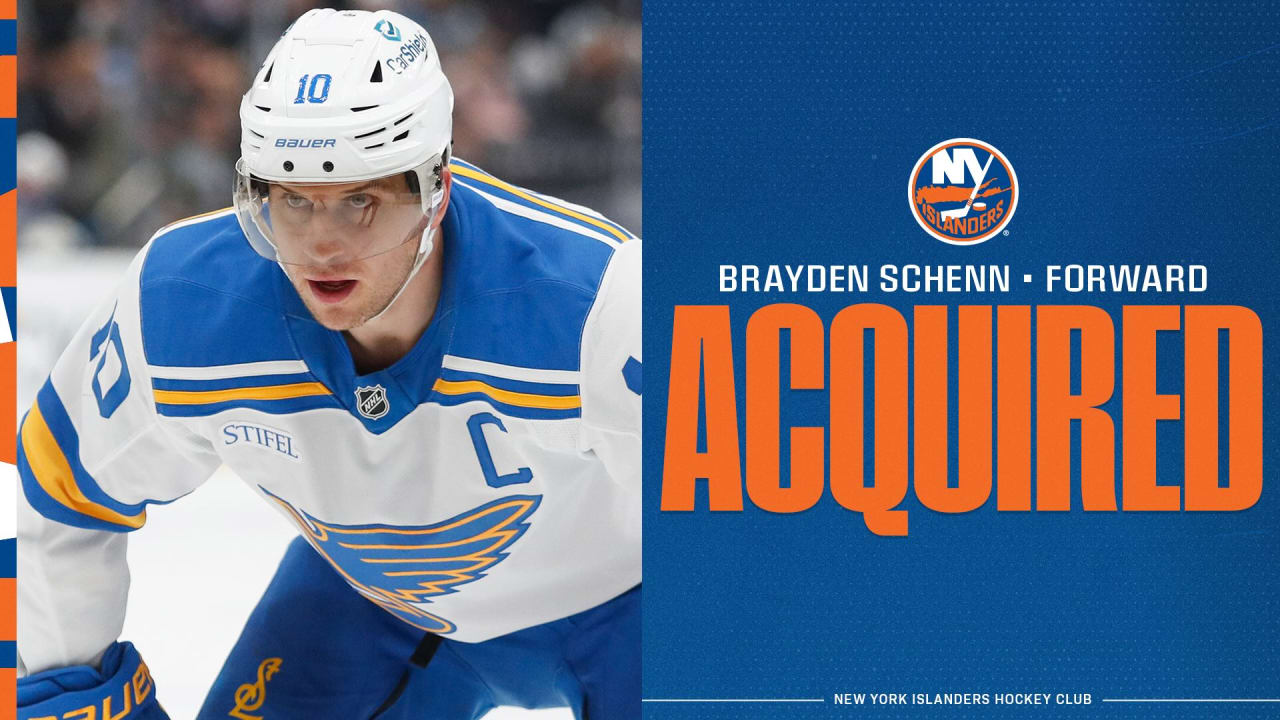
The Brayden Schenn Trade: Full Impact on Blues & Flyers
The 2017 NHL Entry Draft will forever be remembered for a blockbuster deal that reshaped the fortunes of two franchises: the St. Louis Blues and the Philadelphia Flyers. The Brayden Schenn trade, executed on June 23, 2017, saw a proven, young centerman move from the City of Brotherly Love to the Gateway City in exchange for a significant package of assets. This wasn't just a player swap; it was a strategic move with profound and lasting implications that continue to resonate years later. From immediate Stanley Cup glory to the painstaking development of future stars, the ripple effects of this deal are a fascinating study in NHL asset management and team building.
At the time, the trade sent shockwaves through the league. Brayden Schenn, then 25, was a former fifth overall pick with immense potential who had shown flashes of brilliance but struggled for consistent elite production with the Flyers. The Blues, meanwhile, were a perennial playoff contender looking for that extra push, that specific piece to elevate them to championship status. The Flyers, under then-GM Ron Hextall, were committed to a longer-term rebuild, stockpiling draft capital and high-upside prospects. This article delves into the intricate details and long-term consequences of the Brayden Schenn trade, examining its full impact on both the St. Louis Blues and the Philadelphia Flyers.
Initial Terms and Strategic Expectations
To truly understand the reverberations of the Brayden Schenn trade, we must first revisit the landscape of both teams at the time of the transaction and the specific assets exchanged. It was a deal rooted in differing philosophies and immediate needs.
What the Blues Acquired and What They Gave Up
The St. Louis Blues acquired Brayden Schenn, a versatile forward capable of playing both center and wing. Schenn brought size, scoring ability, and a growing reputation as a strong two-way player. He was exactly the type of player the Blues sought to complement their existing core, adding secondary scoring and depth at center behind Ryan O'Reilly and Robert Thomas. The cost, however, was significant: veteran center Jori Lehtera, the 16th overall pick in the 2017 NHL Entry Draft (which became Morgan Frost), and a conditional first-round pick in 2018 (which eventually became the 14th overall pick, Joel Farabee).
For the Blues, this was a bold move, sacrificing future assets for immediate impact. It signaled their intention to contend for a Stanley Cup in the near future, indicating a belief that Schenn was the missing piece. The risk was evident: parting with two first-round picks, especially in strong drafts, could hinder long-term sustainability. However, the potential reward of a championship was a powerful motivator.
What the Flyers Acquired and Their Vision
The Philadelphia Flyers, on the other hand, made the Brayden Schenn trade with a clear eye on the future. They sent a proven NHL commodity to St. Louis in exchange for a veteran player to offset salary and, more importantly, two highly coveted first-round draft picks. The 2017 1st round pick, 16th overall, was used to select Morgan Frost, a highly skilled center known for his offensive prowess and playmaking abilities. The 2018 1st round pick, 14th overall, became Joel Farabee, a speedy and tenacious winger with a knack for scoring and strong defensive instincts.
Flyers General Manager Ron Hextall's strategy was to rebuild through the draft, acquiring and developing high-end prospects. This meant being patient and accepting that immediate success might be sacrificed for a stronger, more sustainable future. The inclusion of Jori Lehtera primarily served as a cap dump for the Blues, while for the Flyers, he provided a veteran presence, albeit briefly, before his contract expired. To understand more about the specific items involved, you can revisit the initial details of the trade here: Revisiting the Brayden Schenn Trade: Key Details.
St. Louis Blues: A Championship Catalyst
For the St. Louis Blues, the acquisition of Brayden Schenn proved to be nothing short of a masterstroke, culminating in the franchise's first-ever Stanley Cup. His impact was immediate and profound, far exceeding initial expectations.
Schenn's Immediate Impact and Fit
Upon arriving in St. Louis, Schenn seamlessly integrated into the Blues' lineup. He shattered his previous career highs in his first season (2017-18), tallying an impressive 22 goals and 59 points in 82 games. His physical play, net-front presence, and versatility quickly made him a fan favorite and a cornerstone of the team's offense. He brought a blend of skill, grit, and leadership that perfectly aligned with the Blues' identity.
Beyond the statistics, Schenn's leadership and competitive fire became infectious. He was a player who thrived in the demanding St. Louis market, embracing the physical style of play and contributing significantly to the team's culture. He was not just a point producer; he was a tone-setter.
The 2019 Stanley Cup Run
The ultimate vindication for the Blues' investment came in the 2018-19 season. After a historic mid-season turnaround, the St. Louis Blues marched to their first Stanley Cup championship. Brayden Schenn was an instrumental part of that historic run. In the playoffs, he contributed 5 goals and 7 assists for 12 points in 26 games, playing crucial minutes in all situations. His clutch goals, particularly in key moments, showcased his big-game capability and solidified his legacy in St. Louis.
The Brayden Schenn trade, in retrospect, was a pivotal move that provided the necessary depth, scoring punch, and veteran leadership that the Blues needed to get over the hump. It's a classic example of a team making a bold, calculated move that directly leads to the ultimate prize. Schenn signed a lucrative eight-year contract extension with the Blues in 2019, further cementing his long-term commitment and importance to the franchise as a core leader.
Philadelphia Flyers: Cultivating Future Stars
While the Blues celebrated immediate glory, the Philadelphia Flyers were playing a different game: the long game. The assets acquired in the Brayden Schenn trade were intended to form the foundation of their next competitive window, a process that requires patience, expert scouting, and effective player development.
The Development of Morgan Frost & Joel Farabee
The two first-round picks received from the Blues have taken different paths but both represent significant pieces for the Flyers' future. Morgan Frost, selected 16th overall in 2017, was lauded for his offensive creativity and hockey IQ. His professional development, however, has been a journey. He's shown flashes of brilliance at the NHL level but has struggled to maintain consistent offensive production and secure a permanent top-six role. His progress remains a key storyline for the Flyers, as his potential still holds significant promise.
Joel Farabee, drafted 14th overall in 2018, made a quicker impact. Farabee carved out a regular spot in the Flyers' lineup early in his career, showcasing his speed, two-way play, and ability to score timely goals. He has consistently been one of the team's more reliable forwards, providing a blend of offense and defensive responsibility. Farabee signed a six-year contract extension in 2021, solidifying his status as a key piece of the Flyers' young core.
Strategic Rebuild and Asset Management
The Brayden Schenn trade epitomized the Flyers' strategic pivot towards a more deliberate rebuild. By trading a player in his prime for draft capital, they aimed to inject youthful talent into the organization, creating a sustainable pipeline of prospects. This approach, while slower to yield immediate results, is designed to build a competitive team that can contend for years rather than just a single season.
The challenge for the Flyers has been the inherent unpredictability of prospect development and the difficulty of translating junior success into NHL impact. While Farabee has become a strong NHL player, the full return on the two first-round picks from the Brayden Schenn trade is still being realized. This trade serves as a prime example of how difficult it is to project the value of draft picks over a decade.
Who Really Won the Brayden Schenn Trade? A Retrospective Analysis
Evaluating the true "winner" of the Brayden Schenn trade is complex, as success can be measured by different metrics and over varying timelines. Both teams achieved, to some extent, what they set out to accomplish, but the immediate and long-term outcomes tell distinct stories.
Different Metrics of Success
For the St. Louis Blues, the success metric was clear: a Stanley Cup championship. Brayden Schenn was a vital component of that historic team, providing consistent scoring, leadership, and a physical presence. The decision to trade two first-round picks for a player who delivered the ultimate prize is an easy one to justify in hindsight. When a trade results in a championship, it's almost universally considered a win for the acquiring team, regardless of the subsequent development of the traded assets.
For the Philadelphia Flyers, success was measured by their ability to acquire and develop high-end talent to build for a sustainable future. They acquired two first-round picks that resulted in Joel Farabee, a core NHL player, and Morgan Frost, a player still finding his stride but with undeniable skill. While they haven't achieved the same immediate team success as the Blues, they have successfully brought two significant young players into their system. However, the Flyers are still striving for consistent playoff contention, which makes their side of the trade harder to definitively label a "win" in the same emphatic way as the Blues'.
St. Louis' Clear Win vs. Flyers' Patience and Potential
Given the Stanley Cup victory, it's hard to argue against the St. Louis Blues being the clear winners of the Brayden Schenn trade in the short to medium term. Schenn delivered exactly what they needed and more, cementing his place in franchise history. His consistent performance and leadership have made him an invaluable asset for years beyond the Cup win.
The Flyers' perspective, however, highlights the long-term vision. They replenished their prospect pool and gained future assets. While they have yet to contend for a Cup, the value of Farabee (and potentially Frost) means the trade wasn't a total loss. It's a testament to the fact that not all trades are zero-sum; sometimes, both teams can gain from a transaction, even if one achieves the ultimate glory sooner. For a deeper dive into who ultimately "won" the exchange, you can read more here: Brayden Schenn Trade: Who Really Won the Blockbuster?
Conclusion
The Brayden Schenn trade stands as a landmark transaction in modern NHL history, a testament to how different organizational philosophies can lead to vastly different, yet arguably successful, outcomes. For the St. Louis Blues, it was the final, decisive piece in their championship puzzle, bringing them their first-ever Stanley Cup. Brayden Schenn's immediate impact, leadership, and consistent production made him a franchise icon.
For the Philadelphia Flyers, the trade represented a crucial step in their long-term rebuild. By acquiring two valuable first-round picks, they successfully brought in foundational pieces like Joel Farabee and the promising Morgan Frost. While their journey to sustained contention is still ongoing, these players represent the future of the franchise, a future built on calculated asset management.
Ultimately, the Brayden Schenn trade serves as a vivid illustration of the delicate balance between immediate gratification and future potential in professional sports. Both teams made decisions that aligned with their specific goals at the time, leading to a fascinating dual narrative of success, forever intertwining the fates of these two NHL franchises.