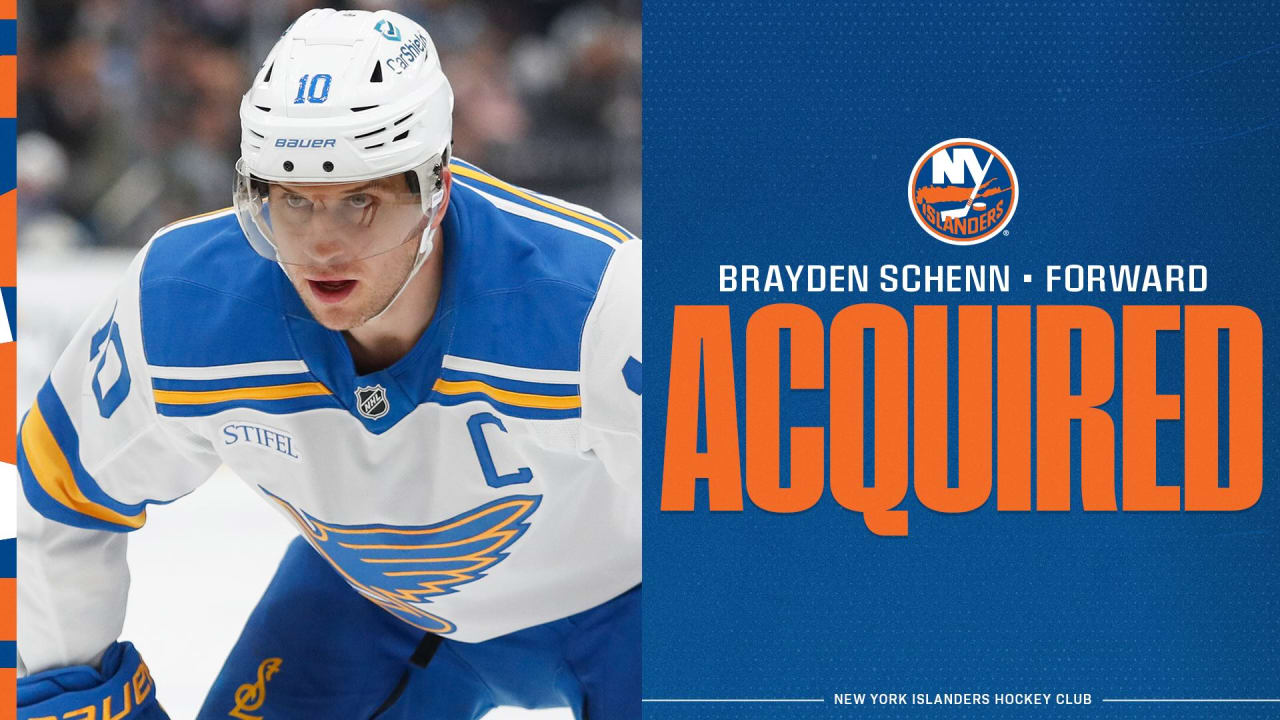
Revisiting the Brayden Schenn Trade: Key Details and Enduring Impact
The NHL landscape is constantly shifting, often reshaped by pivotal trades that reverberate for years. Among these, the Brayden Schenn trade stands out as a prime example of a blockbuster deal that significantly altered the trajectories of two prominent franchises: the Philadelphia Flyers and the St. Louis Blues. Executed on June 23, 2017, just ahead of the NHL Entry Draft, this transaction wasn't merely a player swap; it was a strategic maneuver loaded with draft picks and future implications that continue to unfold. Understanding the nuances of the Brayden Schenn trade requires a deep dive into the specifics of the deal, the context surrounding it, and the long-term outcomes for all parties involved.
The Brayden Schenn Trade: Genesis of a Blockbuster Deal
The 2017 NHL Entry Draft in Chicago served as the backdrop for one of the most talked-about trades of that summer. The Philadelphia Flyers, under then-General Manager Ron Hextall, were looking to reshape their roster, inject youth, and acquire assets for the future. Meanwhile, the St. Louis Blues, led by GM Doug Armstrong, aimed to bolster their core with a proven offensive talent capable of contributing immediately. The stage was set for a significant exchange.
The full details of the Brayden Schenn trade saw the St. Louis Blues acquire forward Brayden Schenn from the Philadelphia Flyers. In return, the Flyers received a comprehensive package:
- Forward Jori Lehtera
- A first-round draft pick in the 2017 NHL Entry Draft (originally Pittsburgh's pick, acquired by St. Louis)
- A first-round draft pick in the 2018 NHL Entry Draft
At the time of the trade, Schenn was 25 years old and coming off a respectable 55-point season (25 goals, 30 assists) with the Flyers. He was a versatile forward, capable of playing center or wing, and known for his physical play and offensive upside. For the Blues, acquiring Schenn was a clear statement of intent: they were adding an immediate impact player to an already competitive roster. For the Flyers, the move represented a commitment to a long-term rebuild and a strategic accumulation of high-value draft capital.
Key Players Involved and Their Immediate Futures
The immediate aftermath of the Brayden Schenn trade saw both franchises quickly integrate their new assets, with varying degrees of success and impact.
Brayden Schenn's Journey to St. Louis
Upon his arrival in St. Louis, Brayden Schenn seamlessly transitioned into a pivotal role with the Blues. His ability to play center or wing allowed for significant lineup flexibility, and his offensive production immediately spiked. In his first season with the Blues (2017-18), Schenn achieved a career-high 70 points (22 goals, 48 assists), demonstrating that the change of scenery suited him perfectly. He quickly became a key component of the Blues' top-six forward group, bringing a valuable combination of scoring, grit, and leadership. His chemistry with linemates was evident, and he proved to be a consistent point producer, an element the Blues desperately sought. This immediate impact validated the Blues' decision to trade for a proven player rather than wait for draft prospects to develop.
The Flyers' Return: Jori Lehtera, Draft Picks, and Cap Space
The Flyers' return package was more complex, centering on future potential rather than immediate impact. Jori Lehtera, a veteran Finnish forward, was included in the deal primarily for cap purposes and as a roster player to fill a temporary void. His stint in Philadelphia was short-lived and not particularly impactful, as he registered only 13 points in 86 games across two seasons before returning to Europe.
The true value for the Flyers lay in the draft picks.
-
The 2017 First-Round Pick (27th overall): This pick was originally the Pittsburgh Penguins' pick, acquired by the Blues in a separate trade. With this selection, the Flyers drafted Morgan Frost. Frost, a highly skilled center known for his offensive creativity and playmaking abilities, has since developed into a promising NHL player for the Flyers, showcasing flashes of brilliance and becoming a regular in their lineup.
-
The 2018 First-Round Pick (14th overall): This pick, originally the Blues' own, was used by the Flyers to select Joel Farabee. Farabee, a speedy and tenacious winger with a strong two-way game, has established himself as a core forward for the Flyers, consistently contributing offensively and defensively. He quickly became one of the team's most reliable young players.
Beyond the players, the trade also provided the Flyers with crucial cap space, offering financial flexibility to make subsequent moves and re-sign core players as their rebuild progressed. This strategic foresight allowed them to manage their payroll effectively while developing their youthful core.
Analyzing the Long-Term Implications and Legacy
The Brayden Schenn trade is a fascinating case study in NHL roster management because it ultimately worked out well for both franchises, albeit in different ways and timelines.
Impact on the St. Louis Blues
For the St. Louis Blues, the acquisition of Brayden Schenn proved to be a pivotal move in their quest for a Stanley Cup. Schenn became an integral part of their championship-winning team in 2019, providing crucial secondary scoring, leadership, and a physical presence in the playoffs. He consistently played top-six minutes and was a key contributor during their improbable run to the Cup. His value was further cemented when the Blues signed him to an eight-year contract extension in 2019, ensuring his long-term presence in St. Louis. Schenn continues to be a core leader and offensive force for the Blues, embodying the blend of skill and toughness that defines the franchise. His consistent performance post-trade highlights the immediate payoff the Blues received.
Impact on the Philadelphia Flyers
The Flyers' investment in future assets paid off significantly with the emergence of Morgan Frost and Joel Farabee. Both players have become vital components of the Flyers' young core. Frost brings high-end offensive skill and vision, while Farabee offers speed, scoring, and a relentless forecheck. These young forwards represent the future of the franchise and are expected to play significant roles for years to come. The decision to trade a proven commodity like Schenn for multiple high draft picks, a strategy that often carries risk, ultimately allowed the Flyers to restock their prospect pool with talent that has graduated to the NHL. This long-term vision, even through periods of struggle, has set the foundation for their ongoing rebuilding efforts. For a deeper look into how each team truly benefited, you might want to read
Brayden Schenn Trade: Full Impact on Blues & Flyers.
Practical Takeaways and Lessons Learned from the Brayden Schenn Trade
The Brayden Schenn trade offers several valuable insights into the complexities of NHL general management and roster construction.
1.
The Value of Versatility: Schenn's ability to play both center and wing made him incredibly attractive to the Blues. Acquiring players with positional flexibility can be a major asset, providing coaches with more options and making a team less susceptible to injuries.
2.
Balancing Immediate Needs vs. Future Assets: This trade perfectly exemplifies the eternal GM dilemma. The Blues prioritized immediate impact and a chance at contention, securing a player who directly contributed to a Stanley Cup. The Flyers, conversely, committed to a longer-term strategy, acquiring high draft picks that transformed into key foundational players for their future. Both approaches proved successful for their respective goals.
3.
Draft Pick Development is Crucial: Acquiring first-round picks is only half the battle; successfully developing those prospects into NHL players is the real challenge. The Flyers' scouting and development staff deserve credit for turning those picks into players like Frost and Farabee, underscoring the importance of a strong organizational infrastructure.
4.
Context is King: Evaluating who "won" the trade is often subjective and dependent on the team's objectives at the time. For the Blues, winning a Stanley Cup with Schenn as a key piece makes it an undeniable victory. For the Flyers, acquiring two young, talented forwards who fit their rebuild timeline and future plans can also be seen as a significant win. The question of who truly emerged victorious from this deal is a perennial debate among fans and analysts alike, and you can explore more on this topic in
Brayden Schenn Trade: Who Really Won the Blockbuster?.
5.
The Long Game: Trades involving draft picks often take years to fully evaluate. While Schenn's impact was immediate, the Flyers' return required patience and careful nurturing of their young talent. GMs must be prepared to play the long game when trading for future assets.
The Brayden Schenn trade stands as a testament to strategic risk-taking and the nuanced art of hockey management. It provided the St. Louis Blues with a critical piece for their championship puzzle and equipped the Philadelphia Flyers with fundamental building blocks for their future. Nearly seven years later, the reverberations of this detailed exchange continue to shape both franchises, making it one of the most compelling and balanced trades in recent NHL history.